Evidence before expression
Market and audience evidence determine which part of the creative idea has commercial relevance.

Independent Fashion Brand Strategy
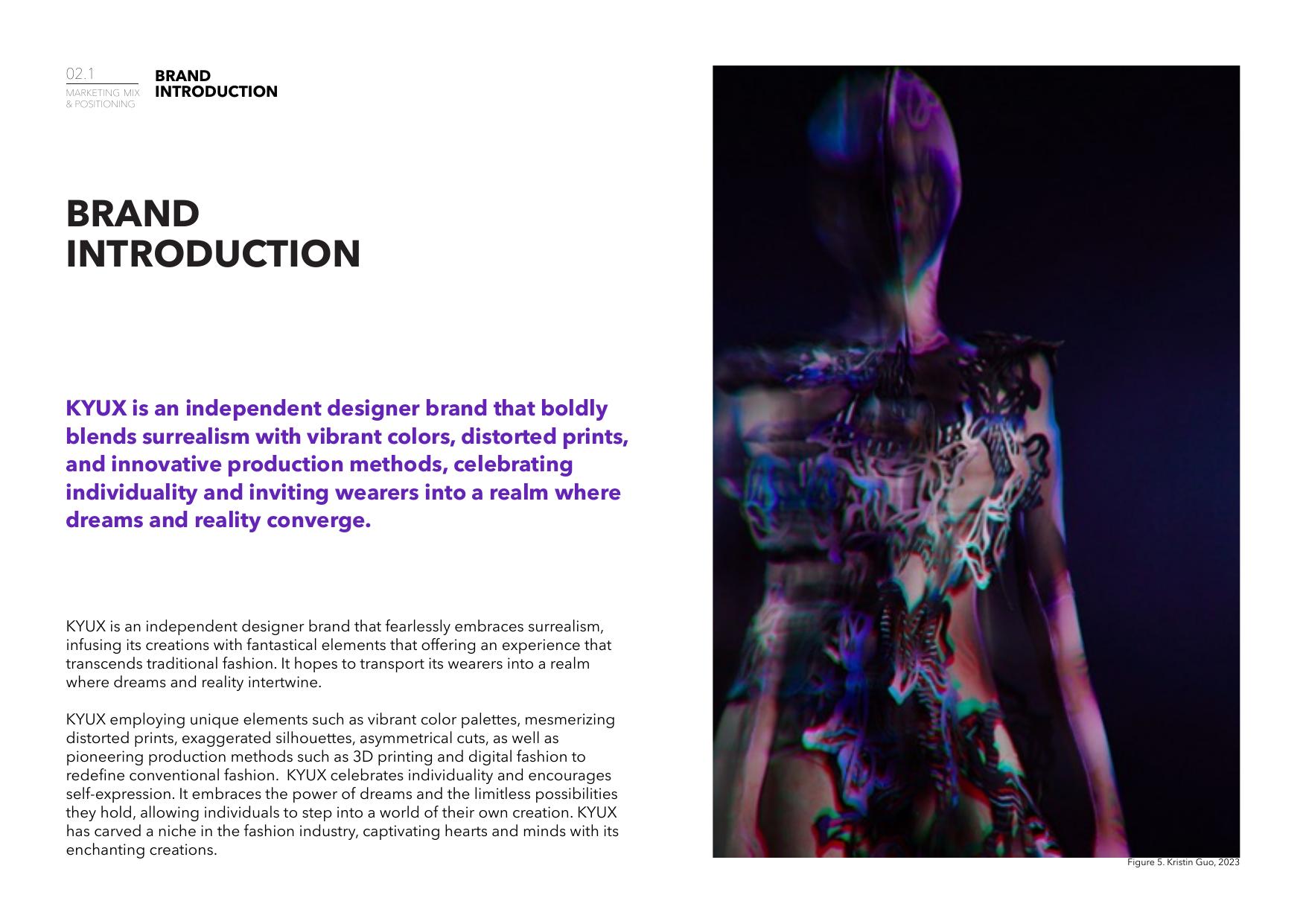
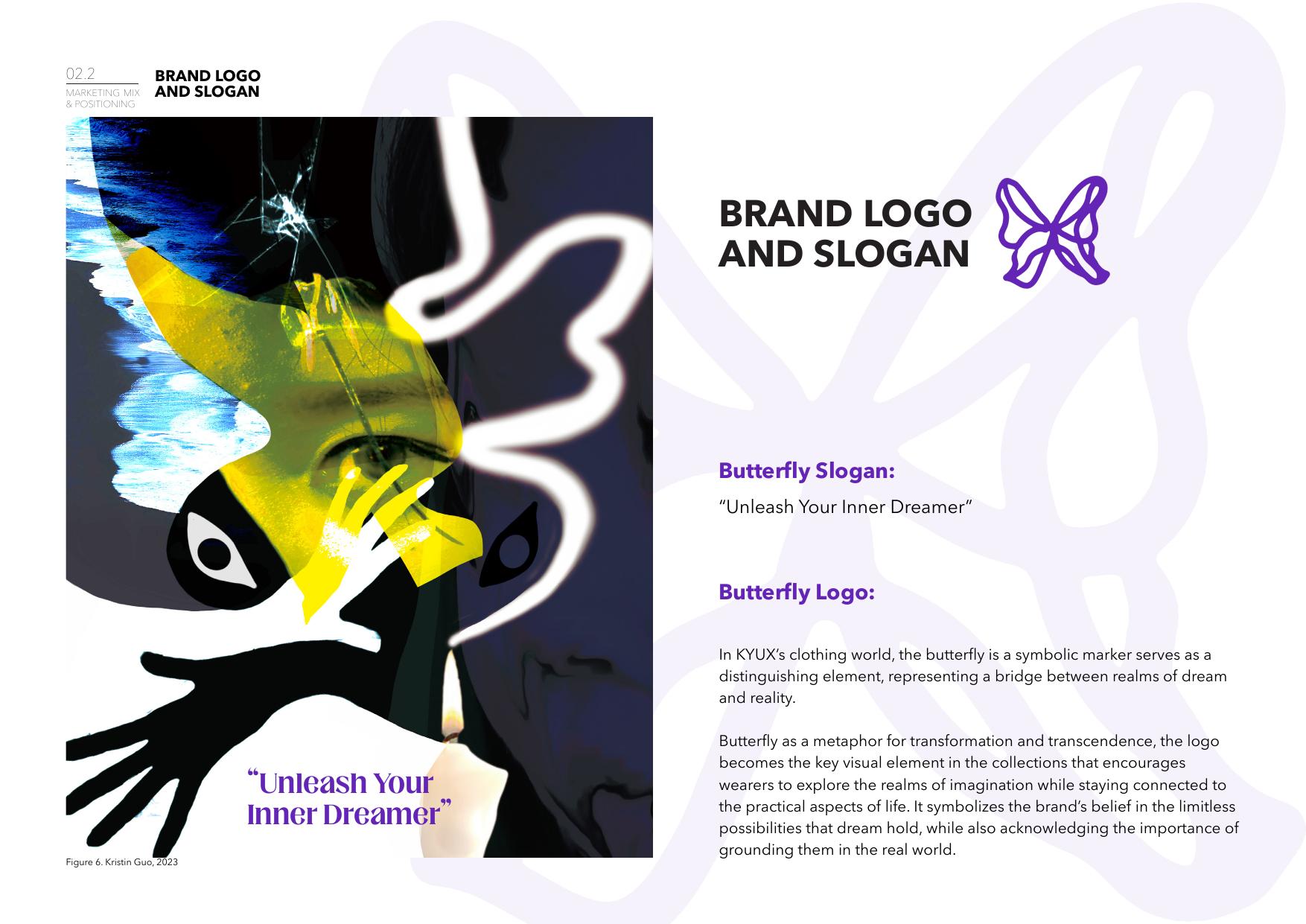
KYUX began with my own fashion collection: its silhouettes, butterfly motif, material experiments, and tension between physical and virtual identity.
I expanded that creative foundation into a 37-page independent fashion brand plan for the Chinese market. My role covered the full strategic chain - research, audience definition, positioning, product architecture, competitive analysis, and go-to-market.
Fashion designer + brand strategist
China / independent designer fashion
Brand, audience, product, and go-to-market
37-page integrated business plan
Identify the market, cultural, and behavioral shifts that can materially change the brand decision.
01The research was used to make a choice, not to fill a report.
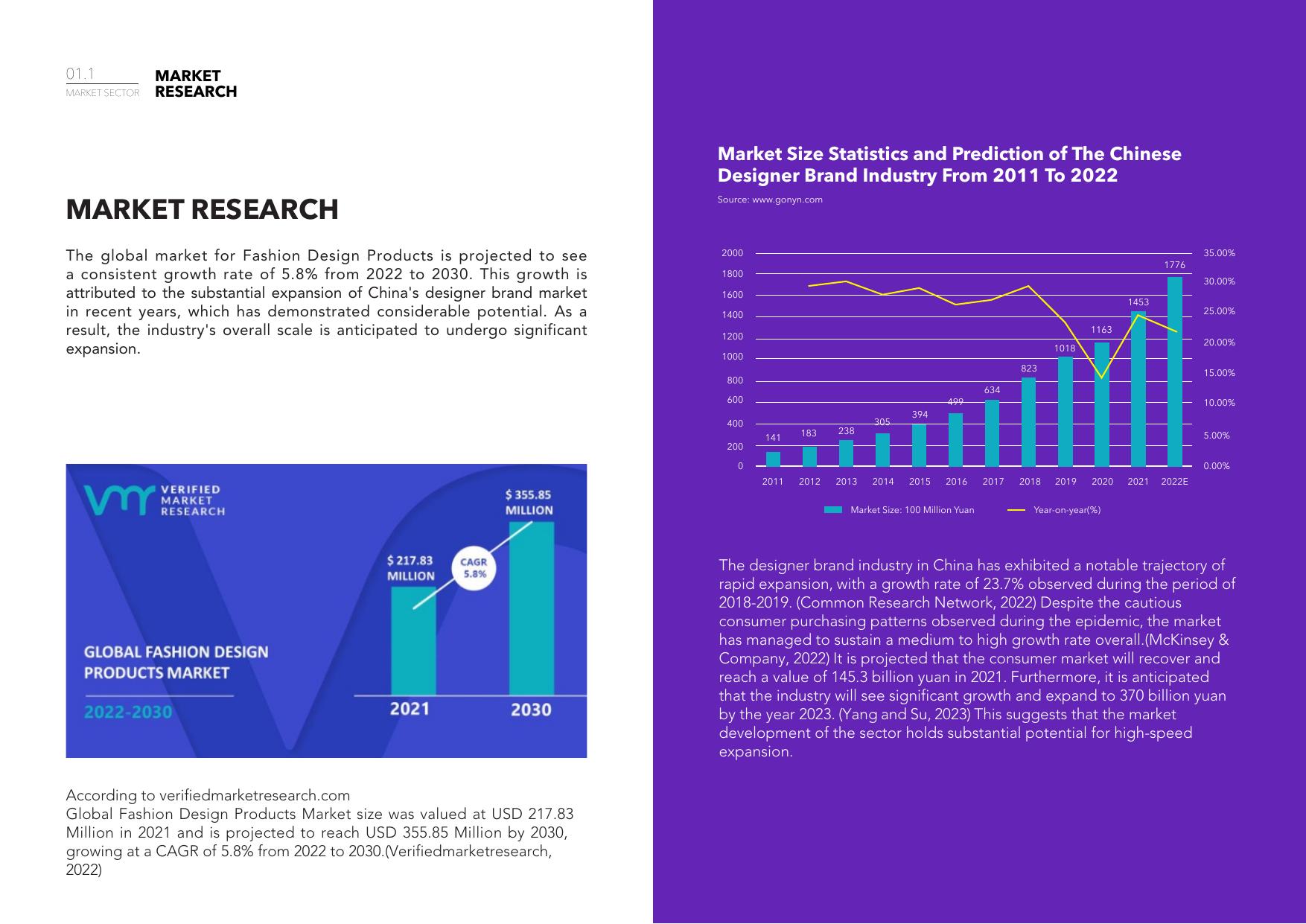
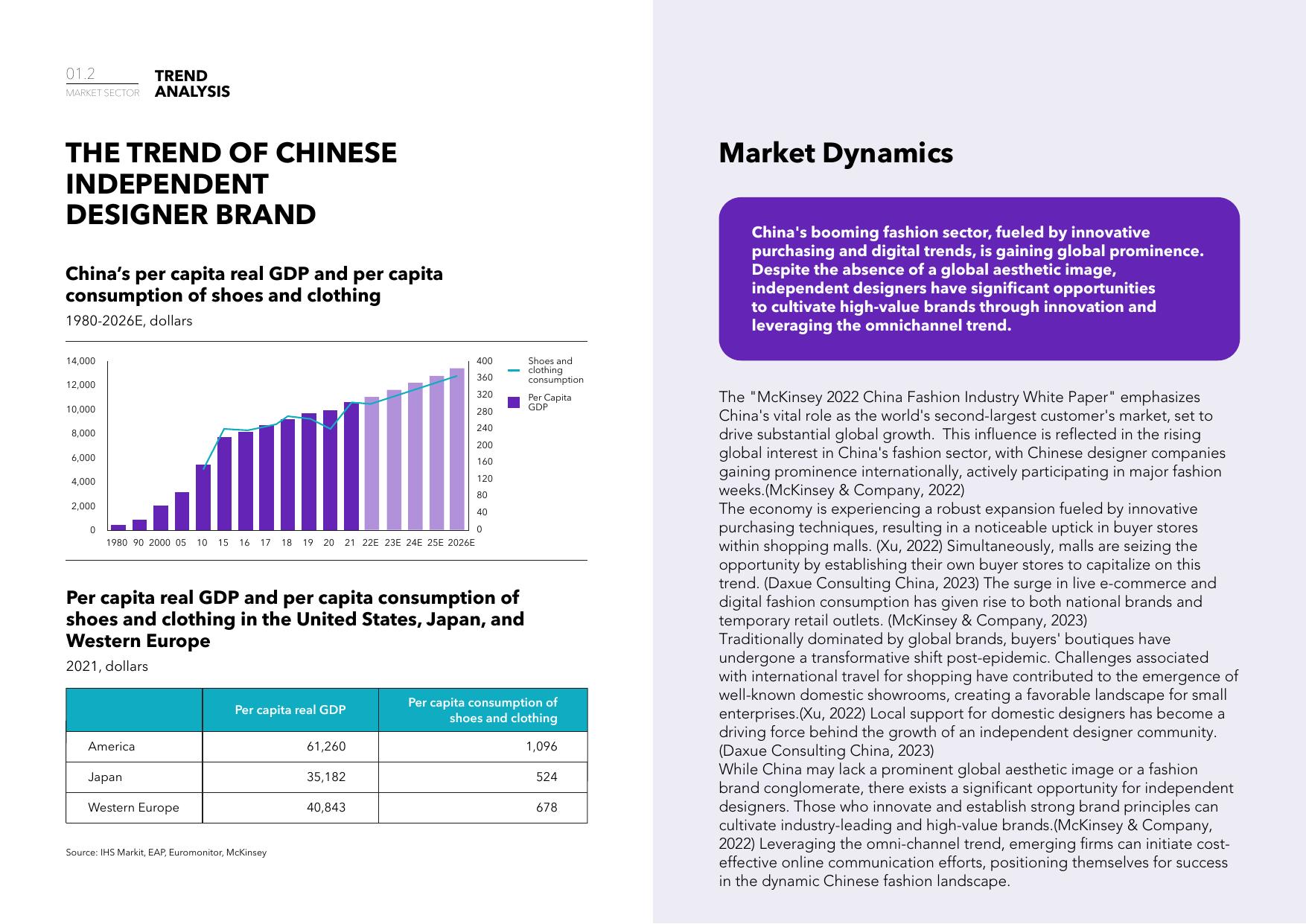
I reduced a broad market scan into the signals that could materially shape the strategy: a growing independent designer category, stronger local-brand confidence, emotional consumption, and digital-first discovery.
Category growth creates room for differentiated local labels.
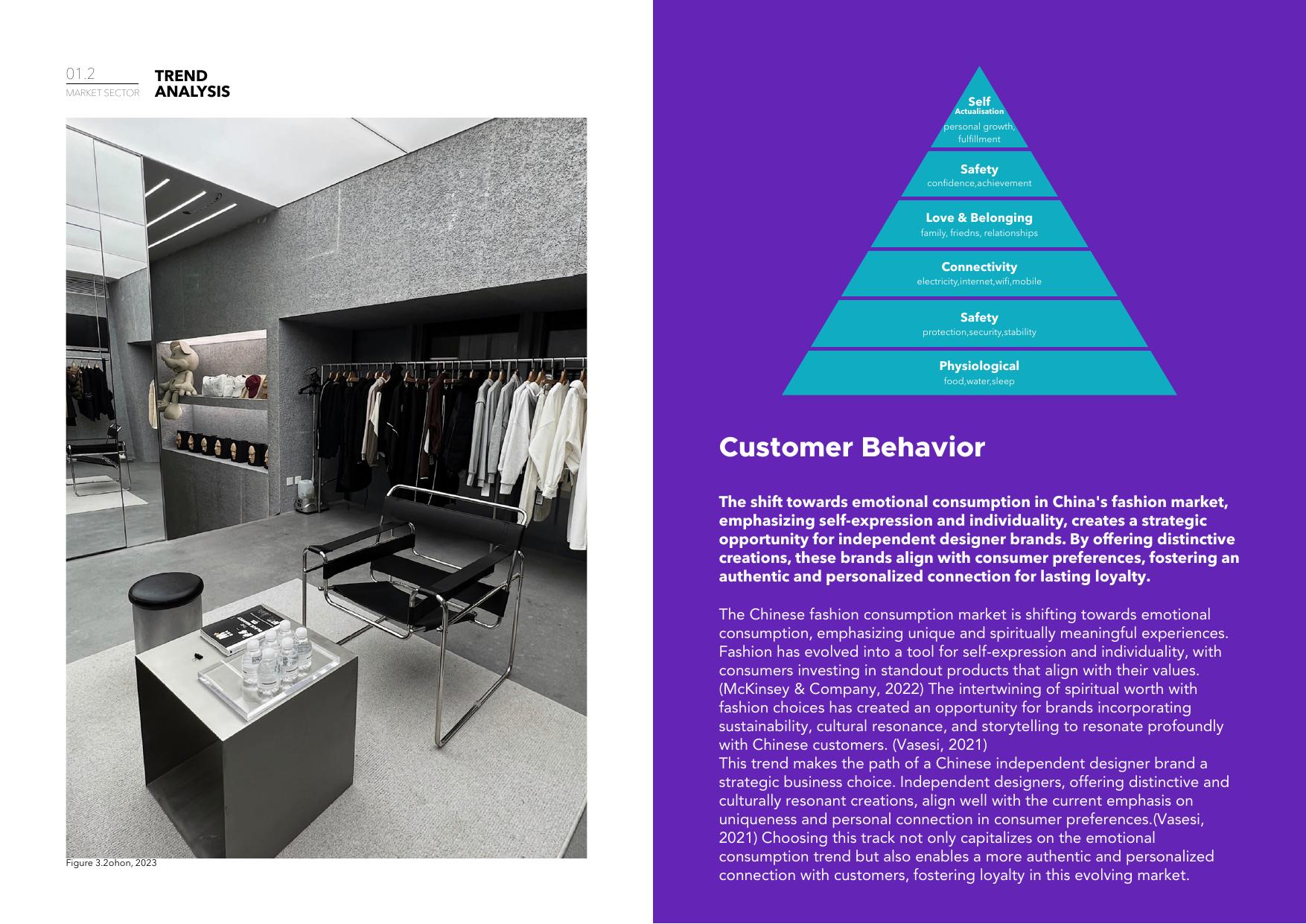
Fashion increasingly functions as identity and emotional value.
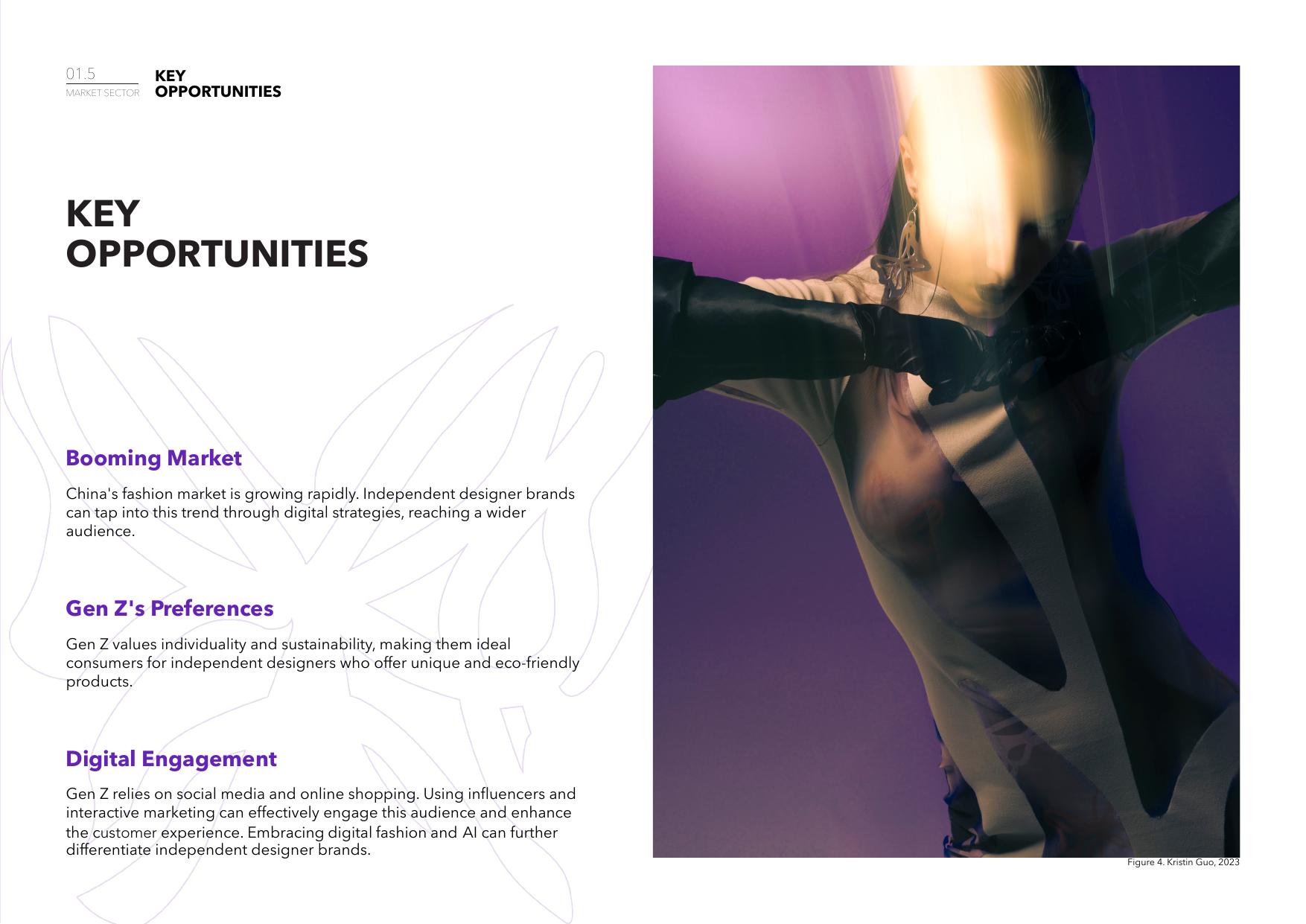
Digital behavior lowers the entry barrier for community-led brands.
The strategic idea was rebellious grace across realities.
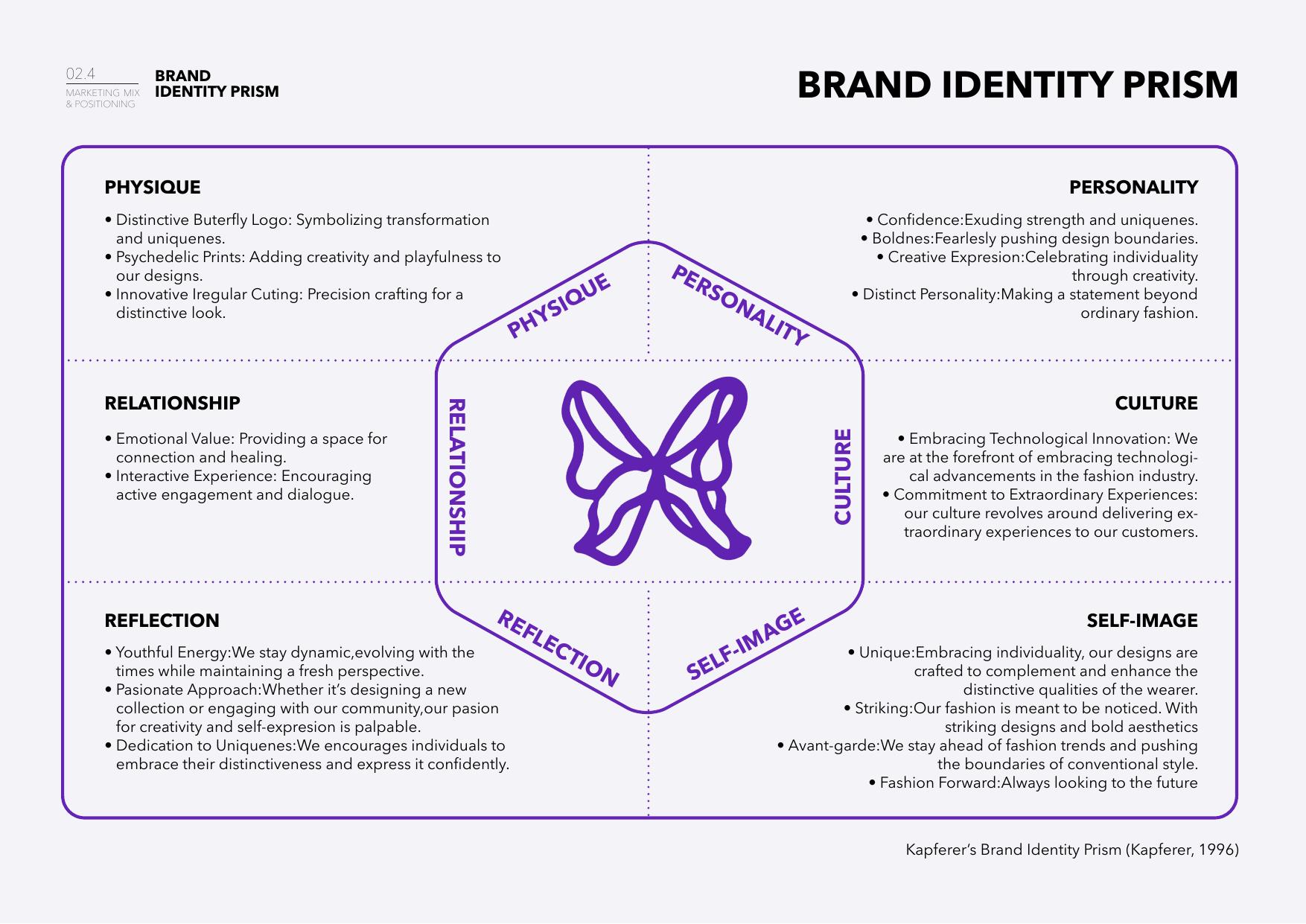
KYUX combines expressive, future-facing design with enough function and wearability to support a mid-to-premium independent label. That idea guides the identity, emotional promise, product language, and customer relationship.
For fashion-forward creative consumers, KYUX is an independent designer brand that turns transformation and self-expression into wearable objects across physical and virtual worlds.
The audience is not simply “Gen Z” - it is a behaviorally defined group of fashion-conscious creative consumers.
I used STP to connect demographic, geographic, psychographic, and behavioral signals. The resulting segment values individuality, discovers brands socially, invests in distinctive design, and expects cultural and emotional relevance.
Competitor analysis helped define an ownable space rather than a list of brands.
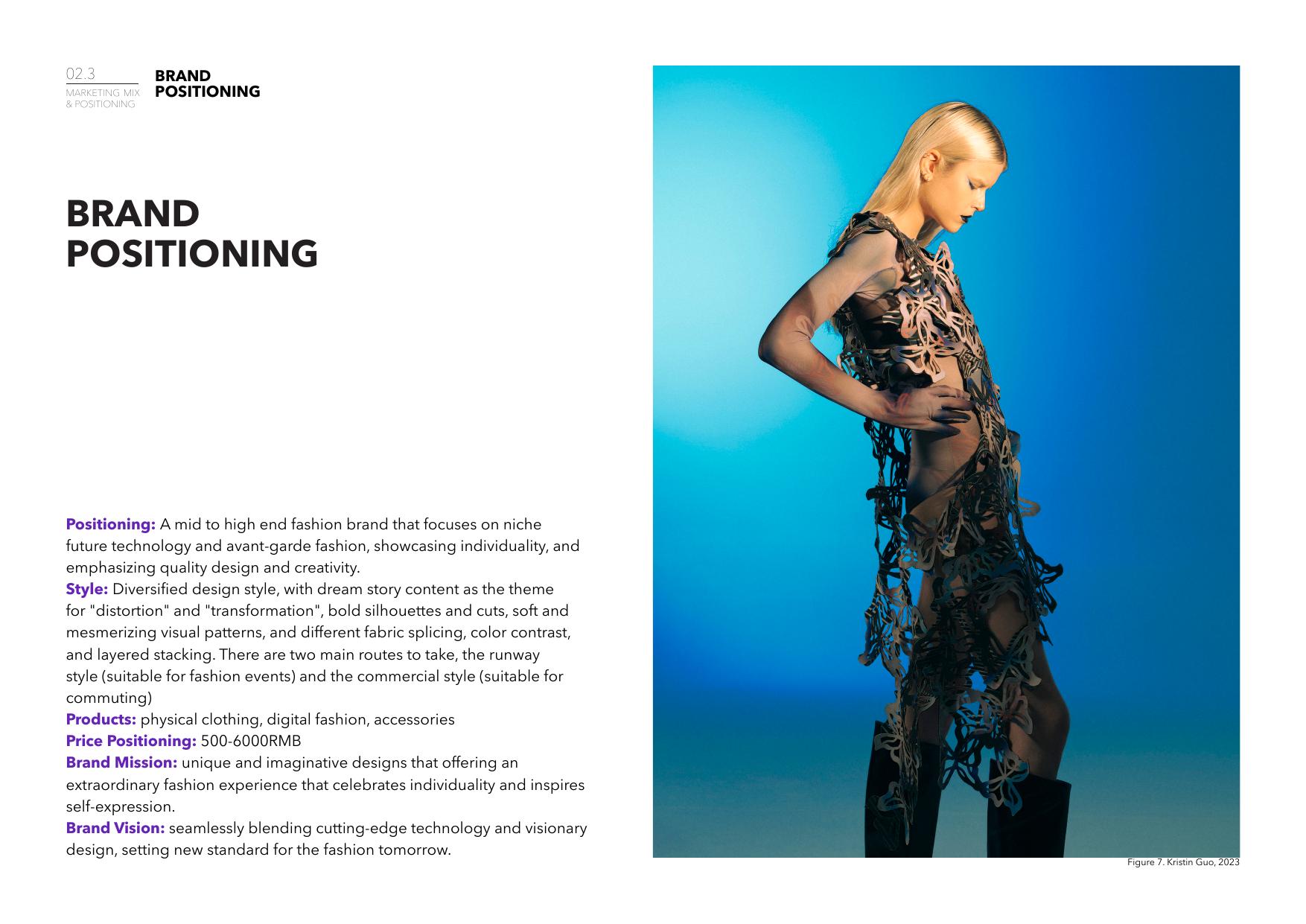
By comparing conceptual direction, product range, channels, promotion, and price, I positioned KYUX between accessible independent labels and higher-priced established designers: strongly conceptual, but commercially structured.
The collection became a repeatable system of categories and design codes.
Core ready-to-wear creates commercial focus; statement pieces build image; accessories create entry points; and digital fashion extends the brand world. The USP is expressed through laser cutting, sculptural volume, butterfly graphics, and deconstruction.
The 4Ps were designed as one connected launch system, not four separate tactics.
Product creates recognition; price signals the intended market position; place sequences low-risk digital and wholesale channels before physical expansion; and promotion builds cultural credibility and community participation.
Recognizable categories and design codes.
Mid-to-premium with accessible entry points.
Digital first, then buyers, pop-ups, and retail.
Creators, editorial, search, and community.
The final output was not only a brand deck. It was a system for moving from creative instinct to a commercially legible strategy.
This project demonstrates how I think as a strategist: use research to find the tension, define the audience before choosing the message, make a deliberate competitive choice, and carry one positioning idea consistently through product and market execution.
Market and audience evidence determine which part of the creative idea has commercial relevance.
The brand becomes useful when it defines the audience, whitespace, price signal, and what not to imitate.
The same strategic idea links identity, product, channel, promotion, and community into a coherent system.